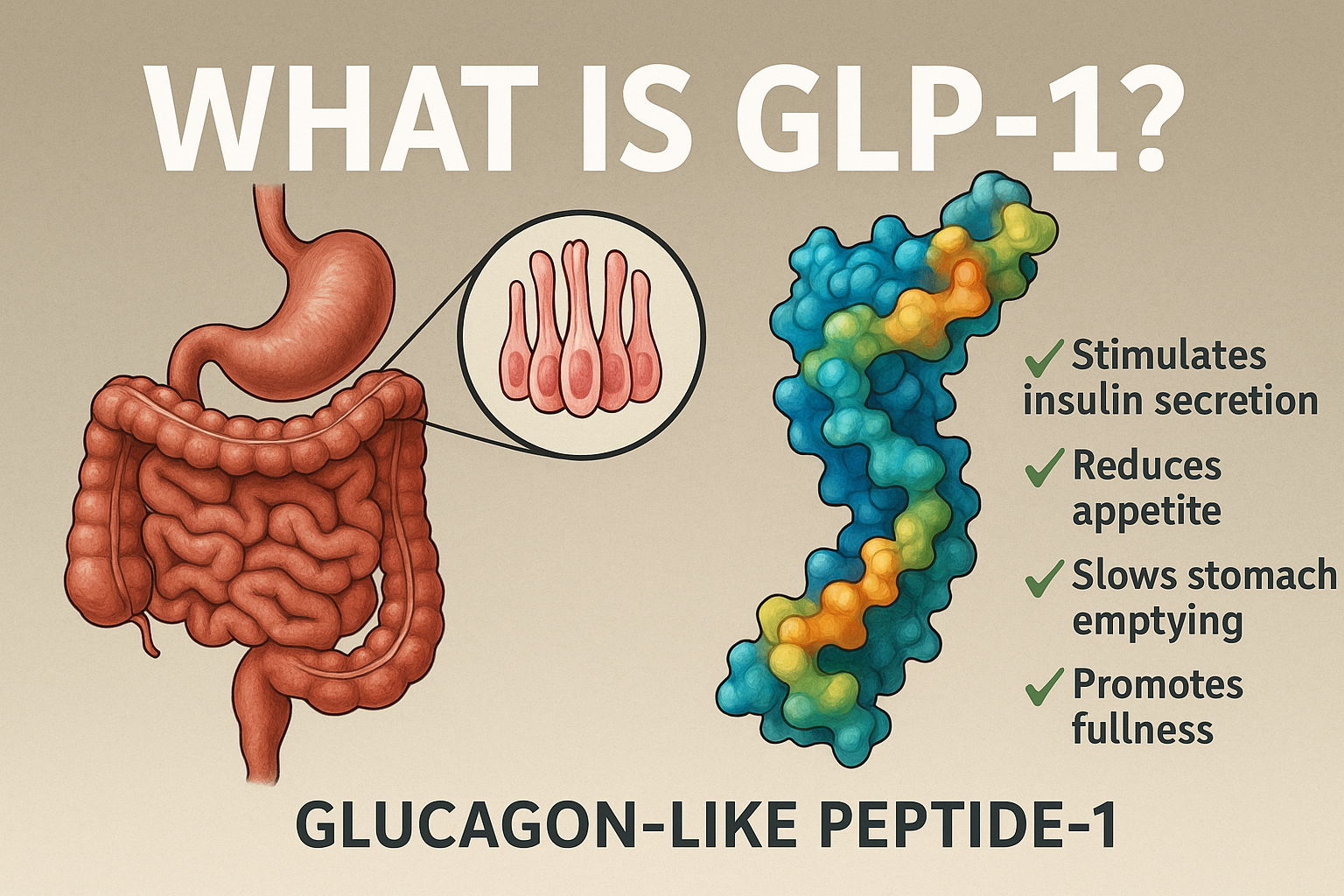
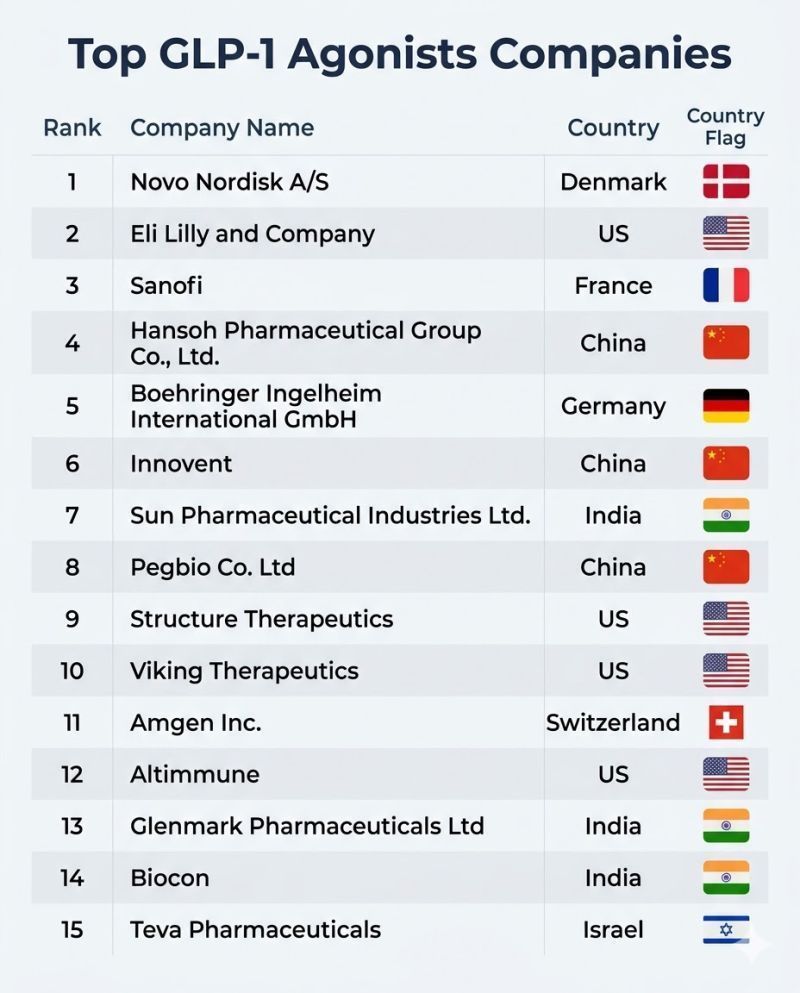
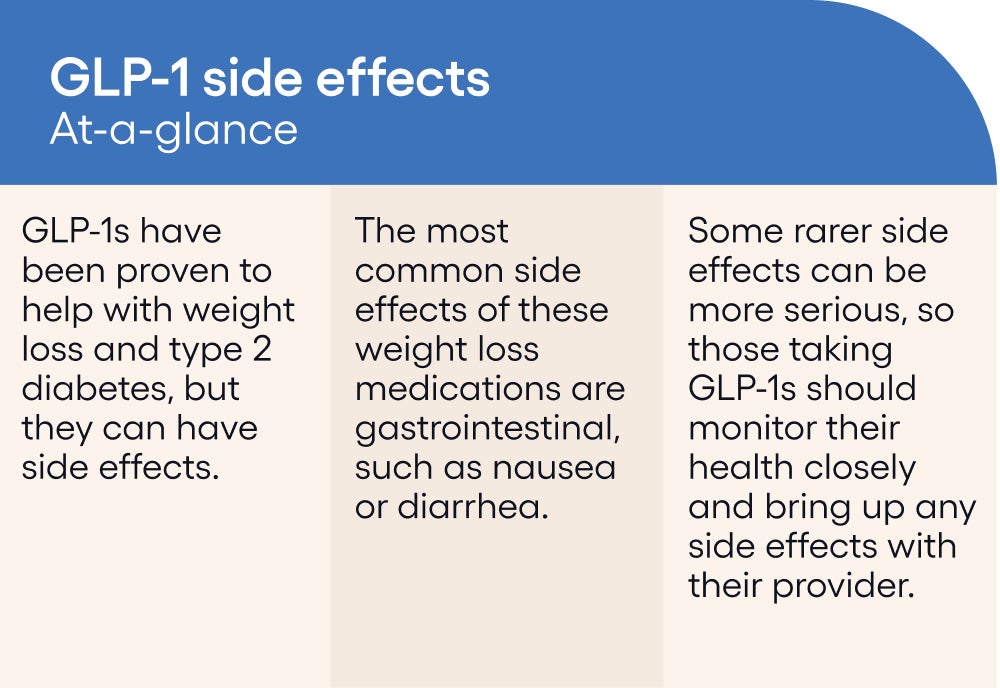
This does not necessarily mean compounded products are ineffective, but it means the pharmacology may differ in subtle ways that have not been fully studied
You're a strong candidate for B12 injections if you experience any of the following: Persistent fatigue that sleep doesn't fix Brain fog, forgetfulness, or trouble concentrating Low mood, anxiety, or stress that feels disproportionate to what's happening Weight gain or difficulty losing weight despite consistent effort Tingling, numbness, or weakness in hands or feet (signs of B12-related neuropathy) Frequent colds, slow healing, or post-COVID fatigue A plant-based, vegetarian, or vegan diet Age 50 or older (B12 absorption naturally declines with age) A history of gastric bypass, Crohn's disease, celiac disease, or chronic acid reflux Long-term use of metformin (for diabetes), proton pump inhibitors (Prilosec, Nexium), or H2 blockers (Pepcid, Zantac) An MTHFR gene variant or known methylation issue A history of B12 deficiency, pernicious anemia, or low folate Hormonal shifts: perimenopause, menopause, postpartum If you fit one or more of these, a vitamin B12 shot is one of the lowest-risk, fastest-acting interventions available
In a clinical trial of 71 women with mild to advanced photoaging, a GHK-Cu facial cream applied daily for twelve weeks significantly increased skin density and thickness while reducing fine lines, wrinkles, and laxity
you're just increasing dose of compounds already present
Storage guidelines for reconstituted peptides: Refrigerator storage (2-8C): 2-4 weeks recommended maximum Freezer storage (-20C): Possible but not recommended due to freeze-thaw damage Peptides containing Met, Cys, or Trp have shorter shelf life due to oxidation Peptides containing Asn, Gln are more prone to degradation in solution Create multiple aliquots to avoid repeated freeze-thaw cycles if freezing is necessary Note: We recommend using reconstituted peptides within 2 weeks when possible, as potency gradually decreases over time