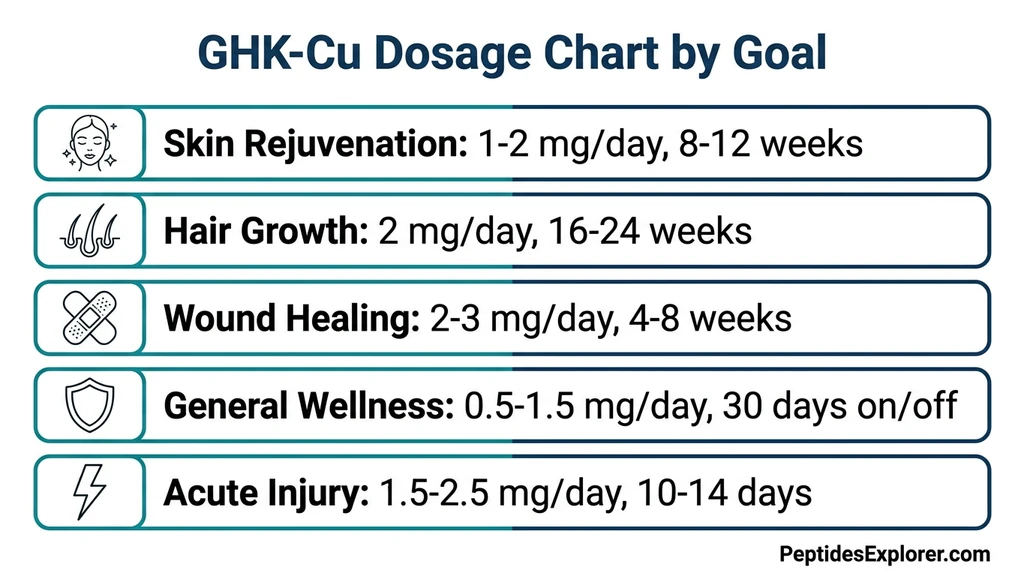
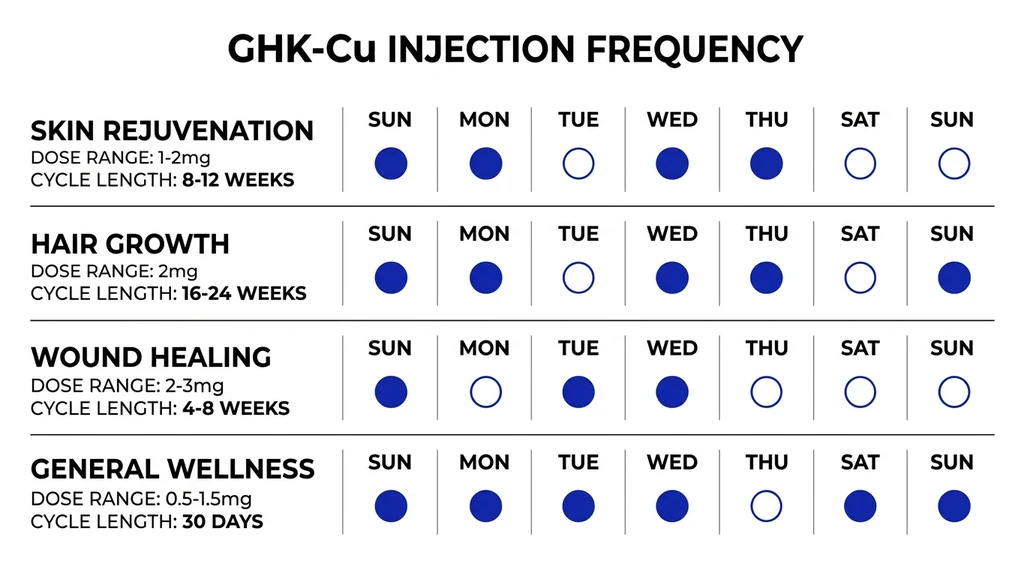
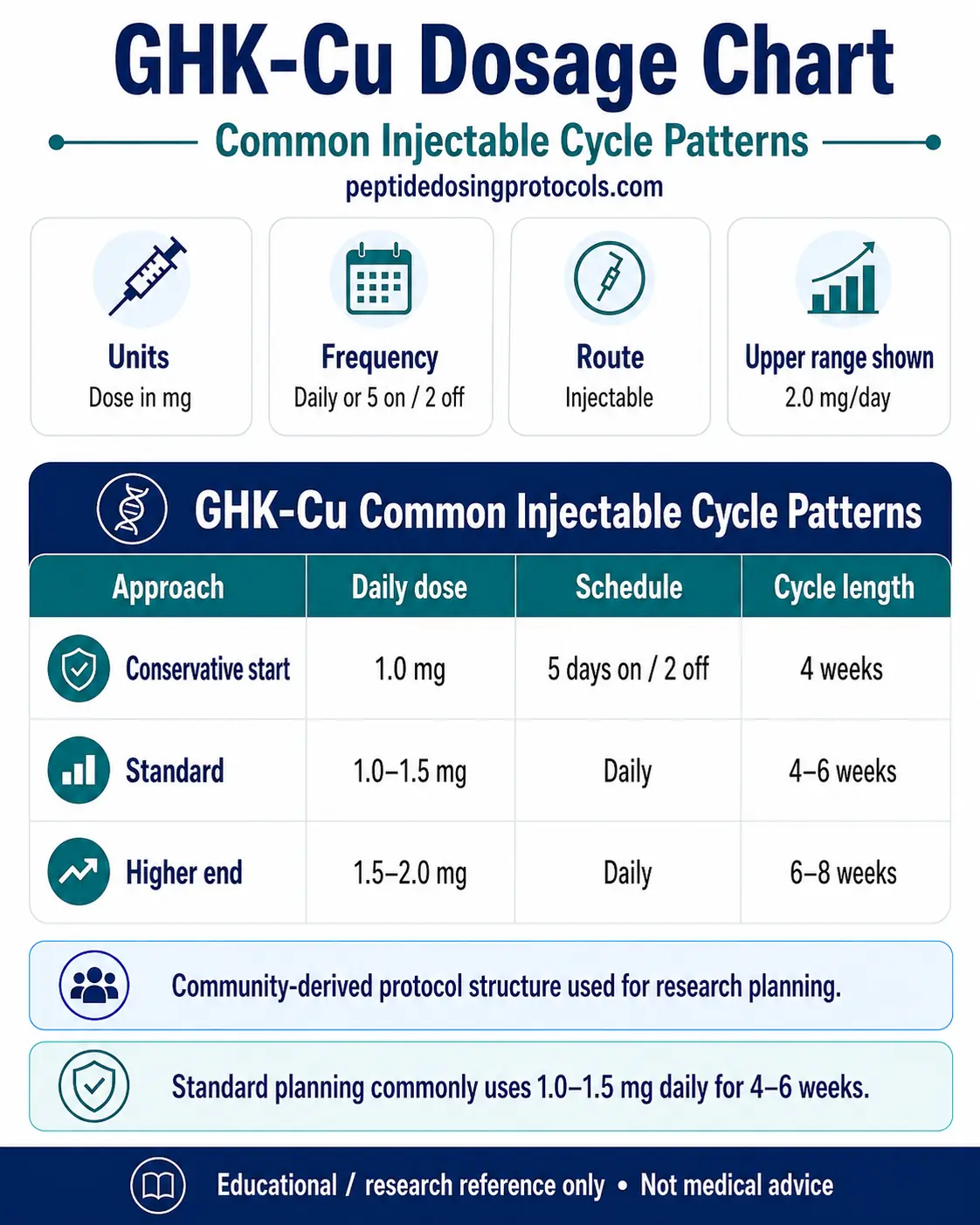
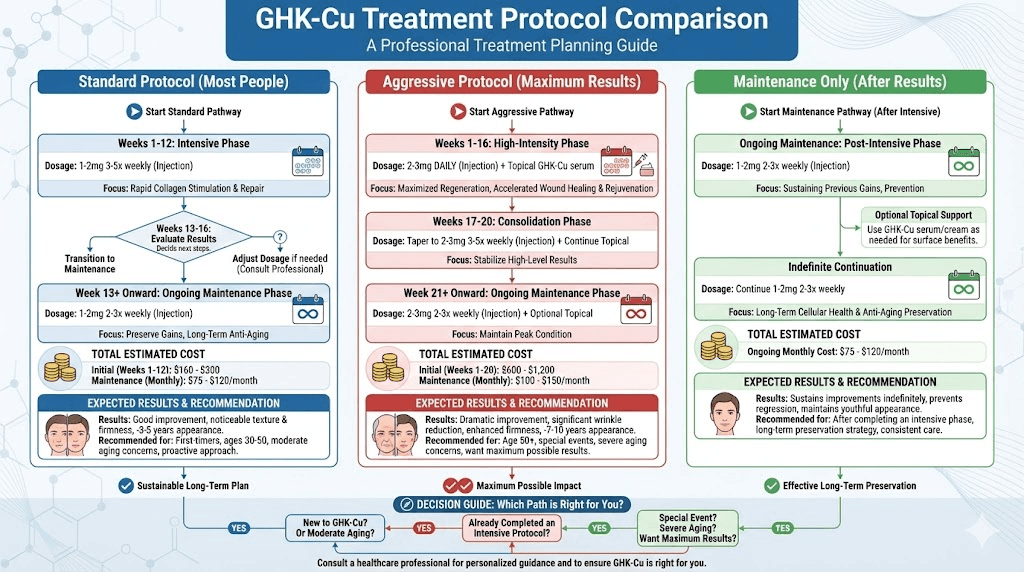
Such guidelines would help researchers find optimal dosages based on research objectives, desired outcomes, and the characteristics of the experiment
Side effects are typically mild injection-site reactions, flushing, increased heart rate, nausea, headache
Our focus is on safety, education, and accessibilityhelping individuals explore wellness options that may support energy, recovery, and healthy aging

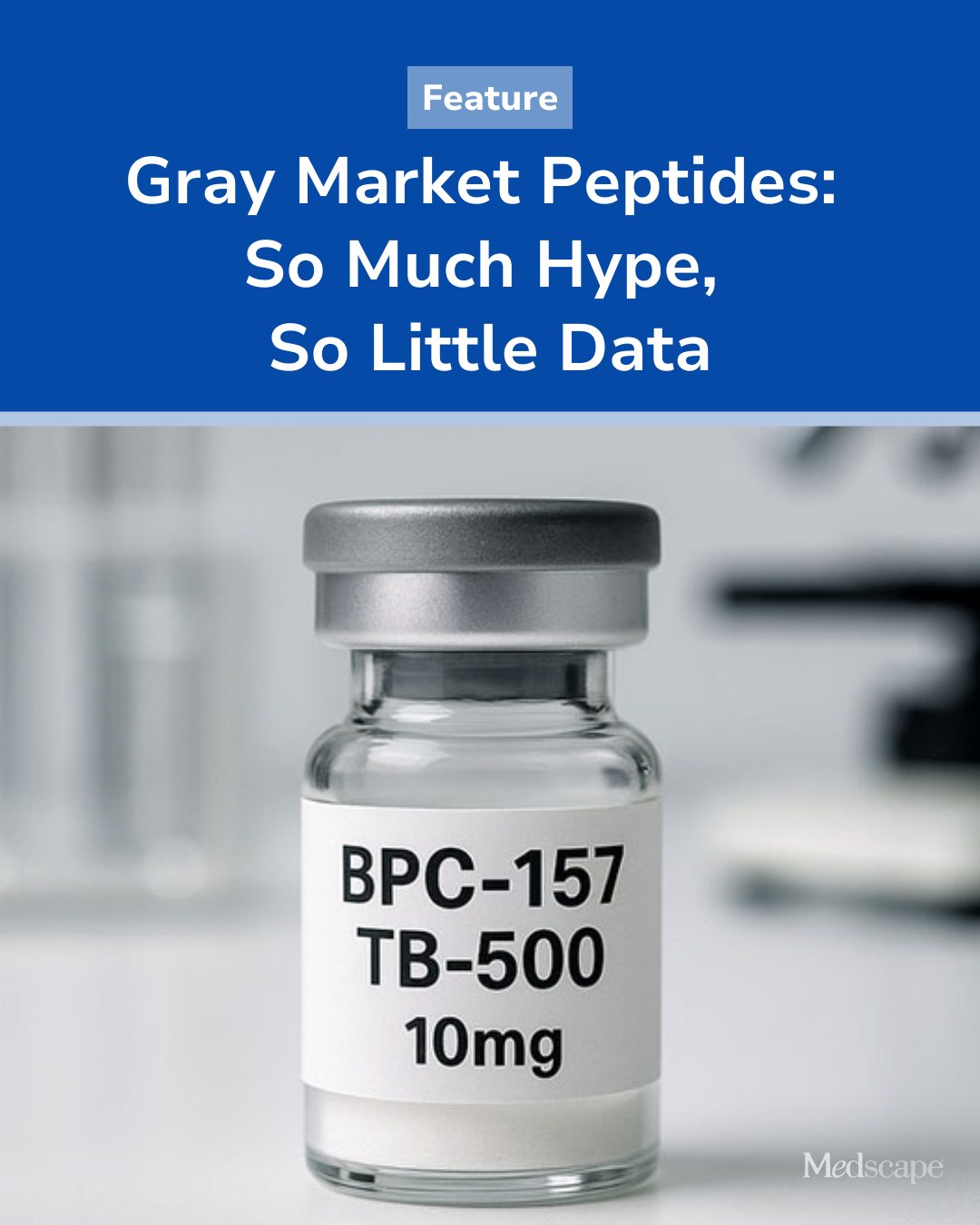
Mechanism of Action Upregulates actin binding proteins , accelerating cellular repair and regeneration Promotes angiogenesis (new blood vessel growth) for improved tissue oxygenation Reduces pro-inflammatory cytokines Improves cell mobility , enabling faster healing of ligaments and soft tissue Enhances muscle recovery and flexibility after trauma or intense training Thymosin Beta4 and its synthetic analog TB500 exhibit potent tissue regeneration effects by modulating cellular migration, angiogenesis, and inflammatory balance. Huff et al., Annals of the New York Academy of Sciences Applications Chronic joint pain, tendinopathy, or ligament injuries Muscle tears, strains, or post-surgical recovery Circulatory improvements in damaged or under-perfused tissue Often stacked with: BPC157 for gut, tendon, and ligament healing CJC1295 for hormonal support and sleep recovery MK677 for long-term IGF1 support Delivery Injected subcutaneously or intramuscularly , depending on location of injury Typical dosing: 25 mg per week , divided into 23 doses Loading phase: 46 weeks Maintenance phase: 23 mg weekly as needed Benefits Breakdown: BPC157 vs MK677 vs CJC1295 vs TB500 To fully understand the strengths of each peptide, heres a breakdown of their primary performance and recovery benefits , based on clinical studies and real-world usage in bodybuilding, injury rehab, and hormone optimization
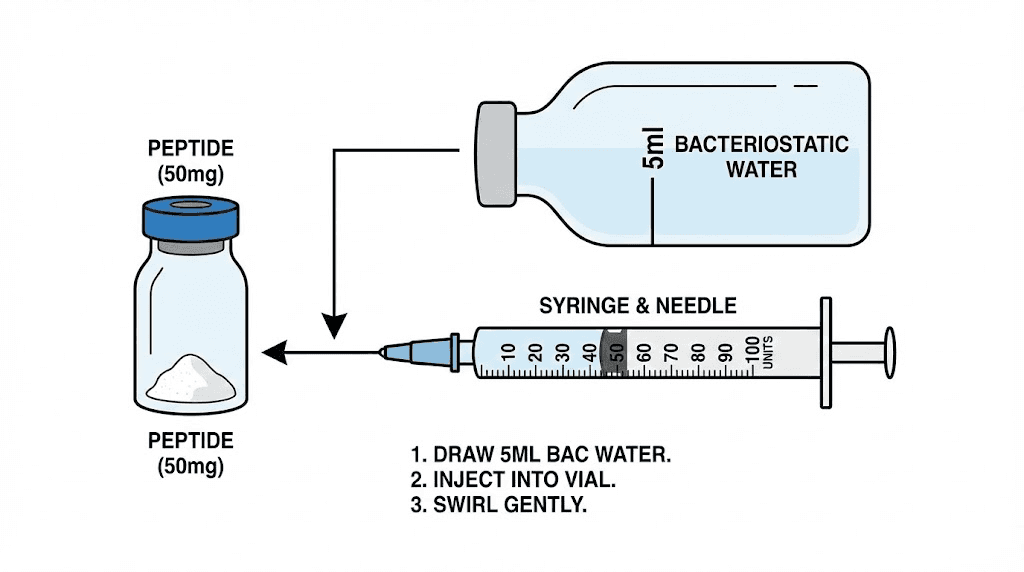
Peptides with sequences rich in hydrophobic residues, or those with a high proportion of basic amino acids (lysine, arginine, histidine) that require protonation for charge-mediated aqueous solubilisation, typically reconstitute cleanly and completely in 0.1% acetic acid water whereas the same peptides may form aggregates, gels, or turbid suspensions when reconstitution with neutral sterile water or bacteriostatic water is attempted first