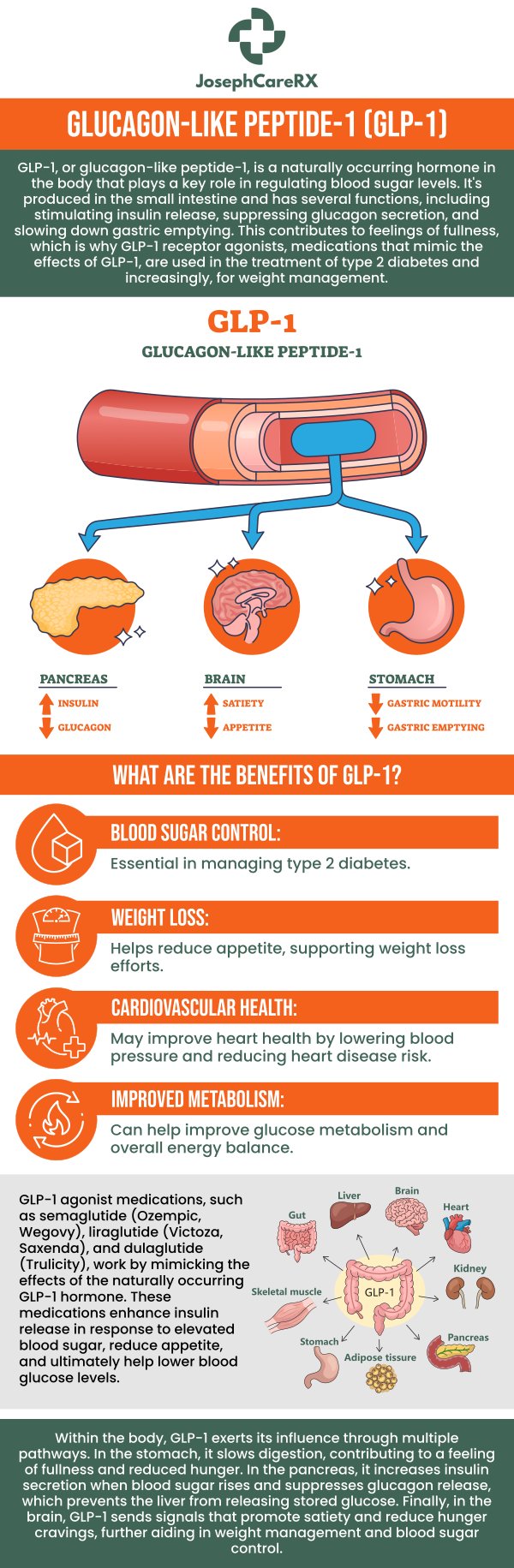
GLP-1 receptor agonists work by: Stimulating insulin secretion from pancreatic beta cells in a glucose-dependent manner, which helps regulate blood sugar levels Slowing gastric emptying , meaning food remains in the stomach longer, promoting feelings of fullness Acting on appetite centres in the brain , particularly the hypothalamus, to reduce hunger signals and food cravings Decreasing glucagon secretion , which helps prevent excessive glucose production by the liver Most GLP-1 agonists are administered via subcutaneous injection, typically once weekly or once daily depending on the specific formulation, though oral semaglutide (Rybelsus) is also available
Talk to your provider before stopping the medication if pregnancy is planned
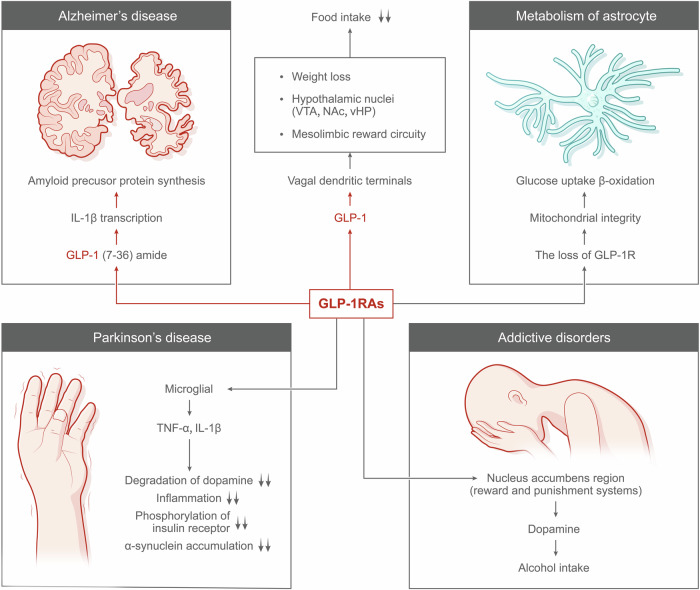
What specific benefits do GLP-1 receptor agonists offer beyond weight loss and glucose regulation, and how might these benefits influence their role in comprehensive metabolic disease management
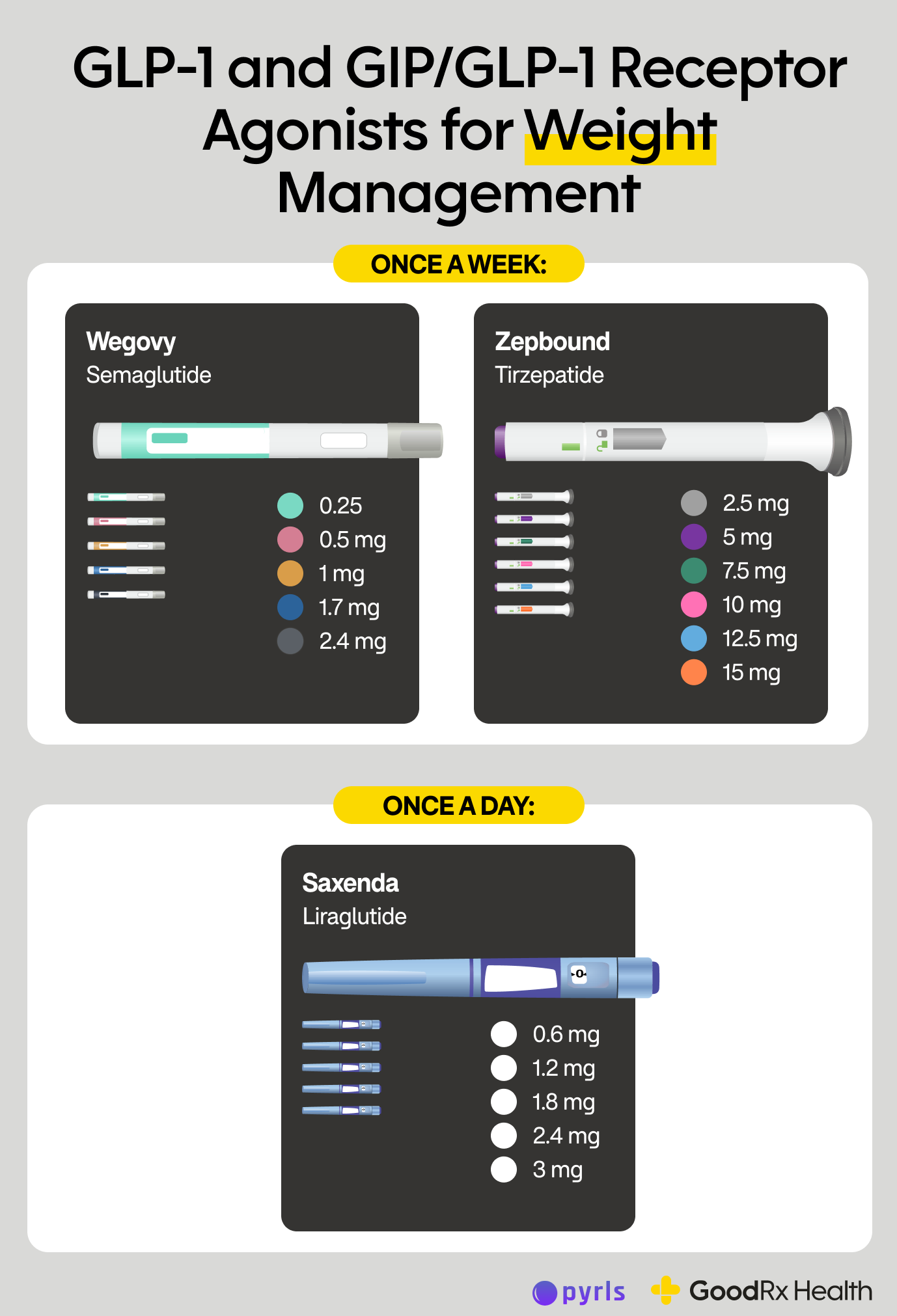
Tirzepatide (Mounjaro) Tirzepatide is unique because it targets two hormones: GLP-1 and glucose-dependent insulinotropic polypeptide (GIP)
Some people stay at 4mg or 8mg for 6-8 weeks before moving up




















:max_bytes(150000):strip_icc()/VWHealth-When-can-you-expect-a-GLP-1-plateau-edit-2-0d8af747d2004ea18f48ef96fe6c5284.jpg)