The Bottom Line Although AOD-9604, MOTS-c, Tesamorelin, Semaglutide, and Tirzepatide are often discussed together, they serve very different purposes
Its relevance to brain repair, however, extends well beyond anxiolysis
For a dedicated deep-dive into how BPC-157 works and what to expect from a supervised protocol, read our full BPC-157 peptide therapy guide
Research interest has focused on its possible role in telomere biology, telomerase activity, melatonin regulation, sleep quality, and age-related cellular processes

Other symptoms may include: Stiffness Swelling Redness Limited range of motion If you experience any of the following symptoms, seek medical attention promptly: Fever over 102F (38.89C) Swelling, redness, and warmth in the affected area General illness or pain in multiple areas Difficulty moving the joint Pain lasting longer than two weeks While bursitis cannot always be prevented, there are steps you can take to reduce your risk: Use cushions or pads when resting a joint on a hard surface Vary your activities and warm up before exercising Start new exercises slowly and gradually increase intensity Take frequent breaks when performing repetitive motions Maintain good posture throughout the day Use orthotic shoe inserts to correct leg length discrepancies Maintain a healthy body weight Stop activities that cause pain and consult your doctor To diagnose bursitis, your doctor will ask about your symptoms and perform a physical exam to check for joint swelling


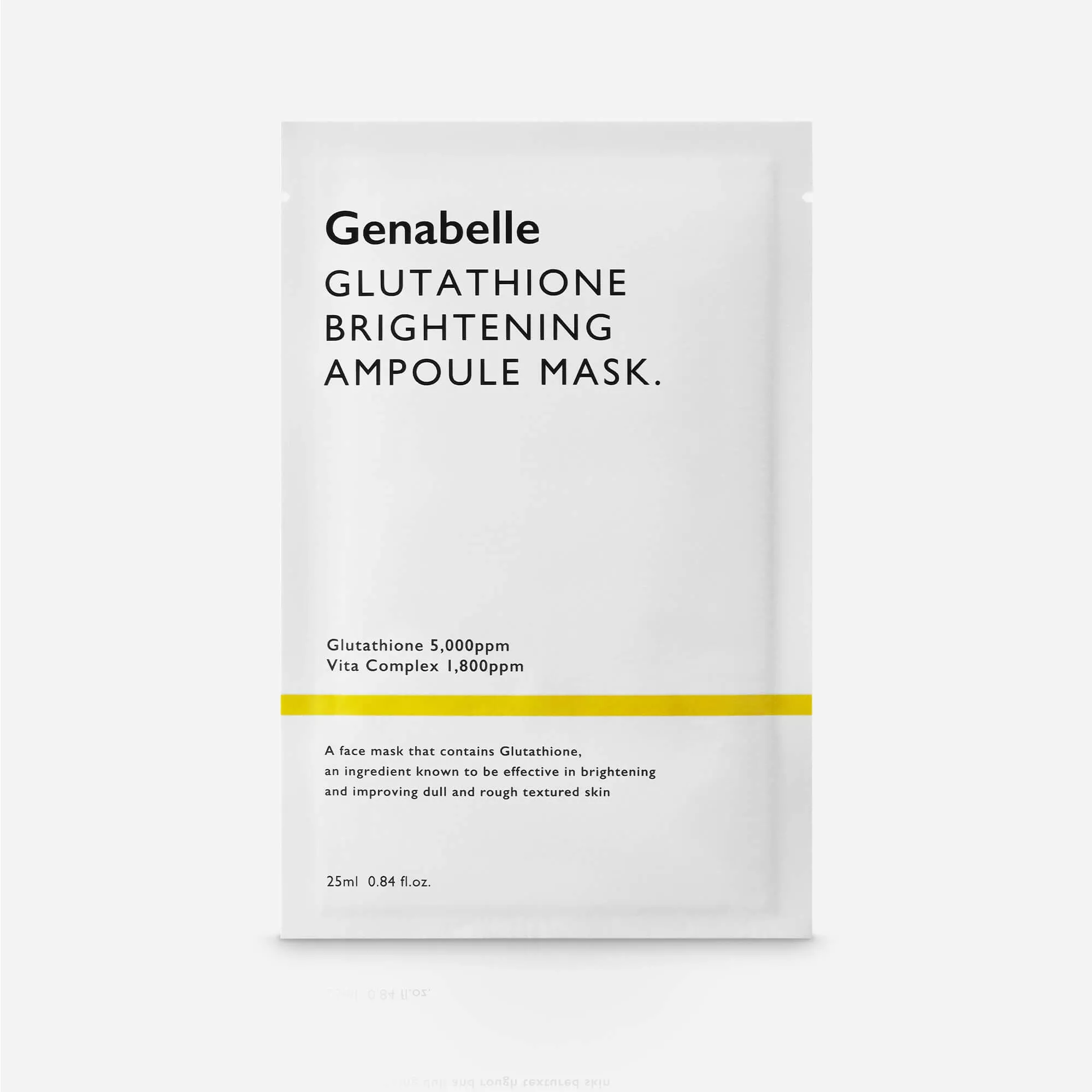



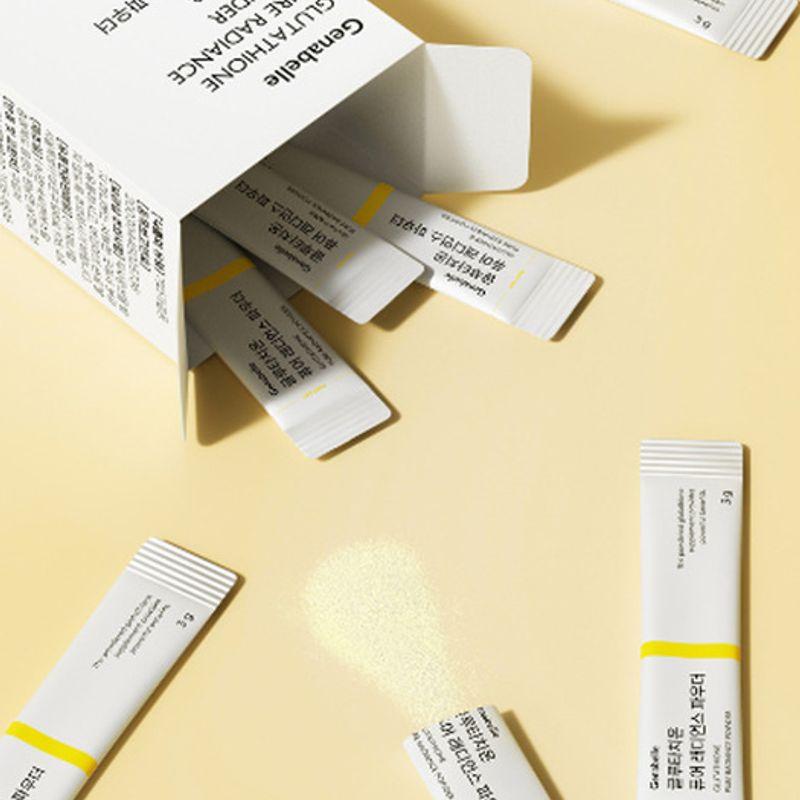

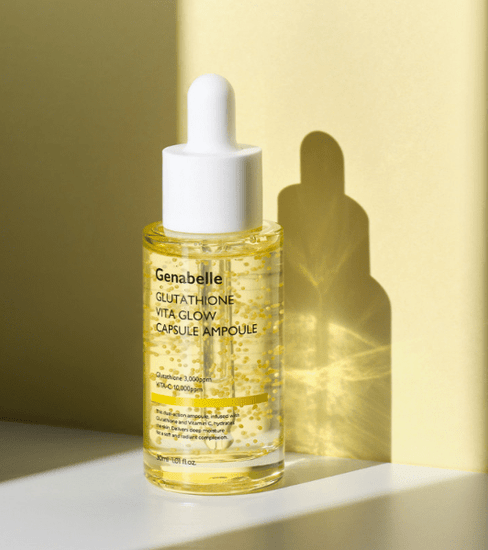
![GENABELLE] Glutathione Vita Glow Capsule Ampoule - 30ml](https://i.ebayimg.com/images/g/btYAAeSw3eFoVEiP/s-l1200.jpg)