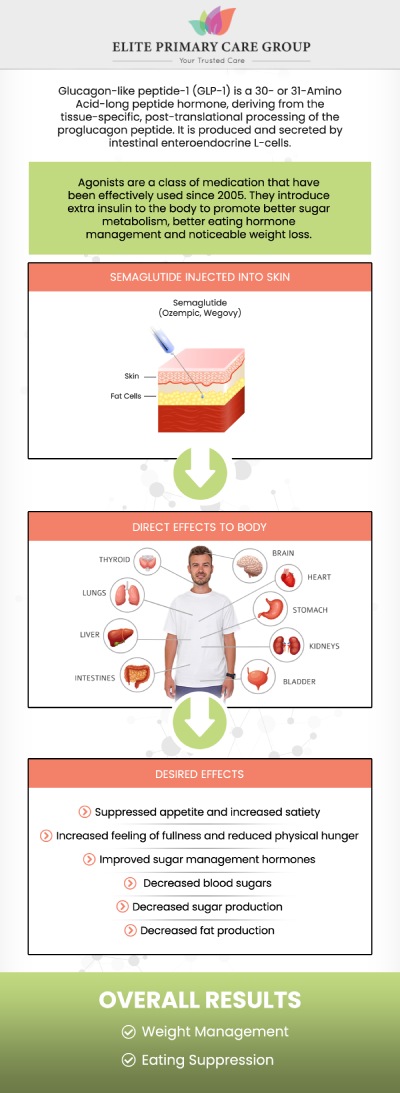
The L-Cell Function L-cells perform several critical metabolic functions: GLP-1 Production: Convert proglucagon (precursor protein) into active GLP-1 hormone Nutrient Sensing: Detect proteins, fats, and carbohydrates passing through the intestine Gut-Brain Communication: Release peptide YY (PYY) that signals satiety to the brain Metabolic Regulation: Respond to short-chain fatty acids produced by gut bacteria Research demonstrates that L-cell density and function can be influenced by dietary patterns, gut microbiome composition, and specific nutrients
Intraepithelial lymphocytes (IELs), a distinct lineage of T cells residing within the epithelial layer, express high levels of GLP-1 receptors
Once youve reached your desired weight, you can choose to stop taking GLP-1s like semaglutide with the help of your healthcare providers but its not always ideal
Current areas of scientific interest include: Multi-receptor metabolic signaling GLP-1 receptor pathway activity GIP receptor function Glucagon receptor signaling Energy expenditure and energy homeostasis Appetite and satiety signaling pathways Glucose and lipid metabolism research Endocrine system integration Technical Specifications Product quantities and handling information should be followed as provided with the supplied material
Tirzepatide for diabetes: on track to SURPASS current therapy