Courtois E, Marques M, Barrientos A, Casado S, Lpez-Farr A
If you observe any of the following, discard the vial: Cloudiness or turbidity Visible particles or flakes Color change (yellowing, browning) Unusual odor These signs indicate protein aggregation or contamination
J Biol Chem 288:1433214340 Assuno AGL, Herrero E, Lin Y-F, Huettel B, Talukdar S, Smaczniak C, Immink RGH, van Eldik M, Fiers M, Schat H, Aarts MGM (2010) Arabidopsis thaliana transcription factors bZIP19 and bZIP23 regulate the adaptation to zinc deficiency
Freeze-dried Powder: Storage Heat: -20C (freezer) Shelf life: 2-3 years when properly stored Protection: Keep away from light and moisture Mixed Solution: Storage Heat: 2-8C (refrigerator) Shelf life: Up to 30 days Protection: Protect from light, use amber vials if available Handling: Avoid repeated heat fluctuations Frozen Aliquots: Storage Heat: -20C or -80C Shelf life: Up to 6 months Protocol: Prepare single-use aliquots to avoid freeze-thaw cycles Thawing: Thaw in refrigerator, use immediately after thawing Safety Monitoring in Research Research protocols involving IGF1 LR3 should include appropriate tracking to ensure subject safety and data quality
Together, over-expressing an epitope EPEA tag (Glutamic acid-Proline-Glutamic acid-Alanine) bound to the recombinant protein and an anti-EPEA conjugated nanobody which is supposed to recognize each other thereby aiding in soluble protein production [59]






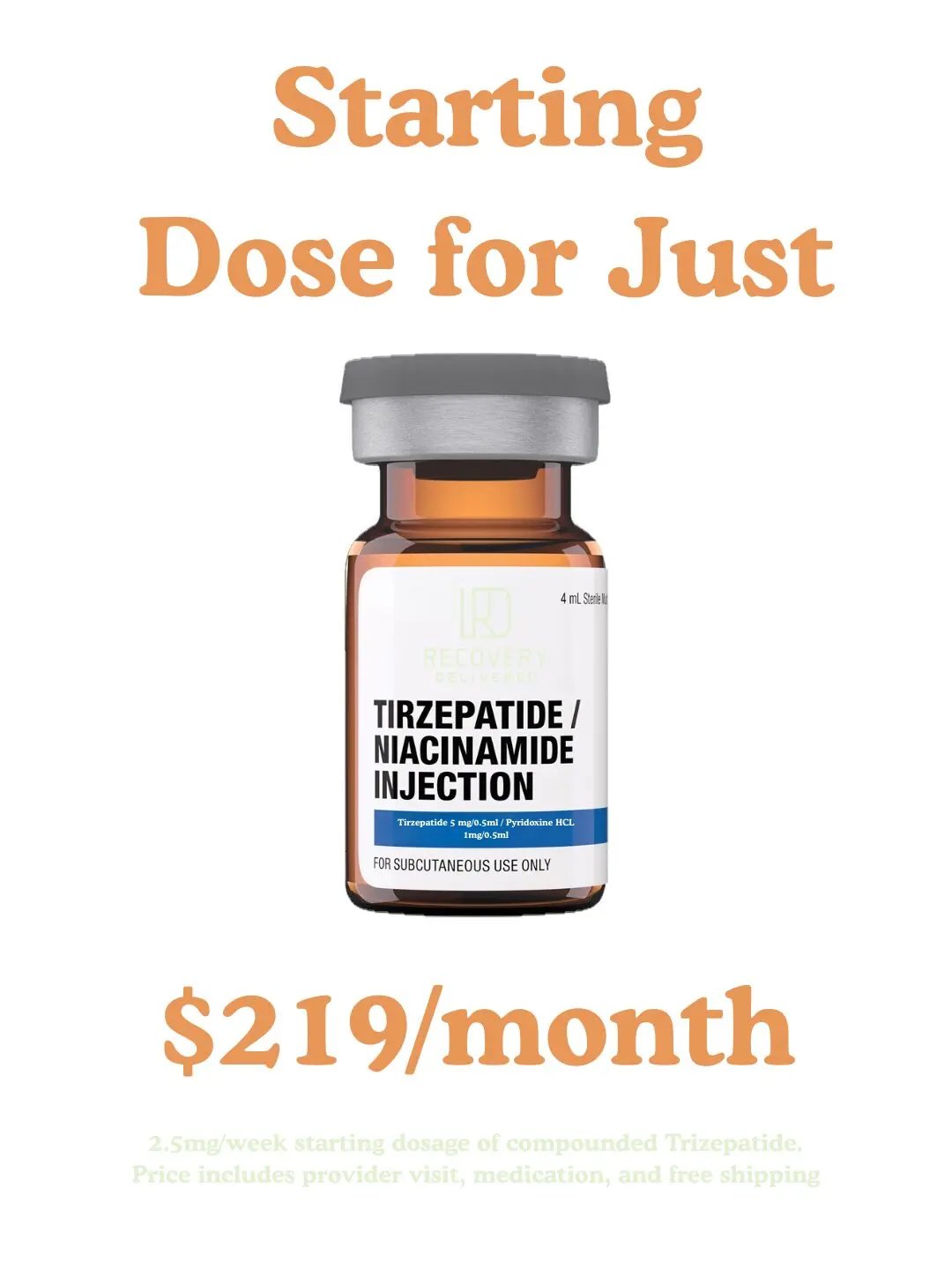
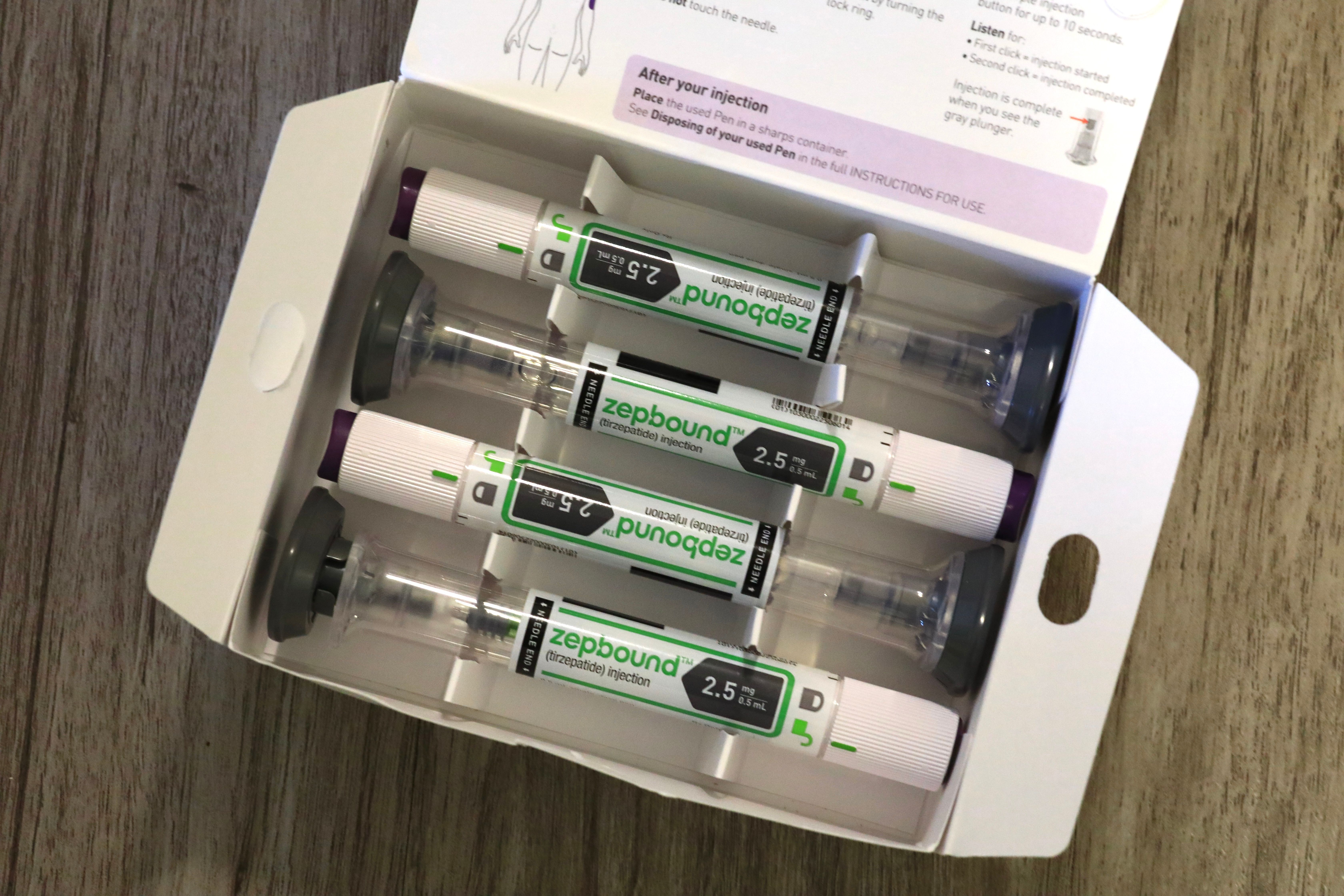





![[Pre-owned] Yohji Yamamoto pour homme Band Color Sweatshirt Cubism Jacket HB-J44-035 LOUIS VUITTON](https://cdn.shopify.com/s/files/1/0593/3475/4497/files/3035004884438234_01_8598w.jpg?v=1743504684)
