Nonetheless, employers are responding with cost-control strategies that include: Prior authorization and clinical criteria (BMI or comorbidities) to confirm medical necessity and prevent off-label use Direct-to-consumer partnerships and transparent pharmacy benefit manager (PBM) contracts for better pricing and rebate pass-through Utilization monitoring and adherence programs to track outcomes and avoid waste from early discontinuation Step therapy to ensure appropriate use of lower-cost alternatives before GLP-1 initiation Alternative coverage models such as value-based arrangements or outcomes-based contracts tied to weight-loss results Employee education and lifestyle support to pair medication with nutrition and behavioral programs, improving effectiveness and reducing long-term spend Compliance and regulatory considerations In offering GLP1 health plan coverage, employers must navigate a complex regulatory landscape to ensure ethical, effective, implementation thats in line with federal, state, and legal requirements including: FDA approval and offlabel use Plans should align coverage with FDA-approved indications (see chart) and require prior authorization to ensure that any off-label use is supported by medical necessity

These changes can result in a reduction of the amount of capillaries that supply the heart with blood, as well as fibrosis, chemical changes, and changes in the metabolism and organization of heart cells
Our brain and gut communicate through whats called the gut-brain axis
And most importantly, these changes will help to prevent weight regain once you stop taking the medication
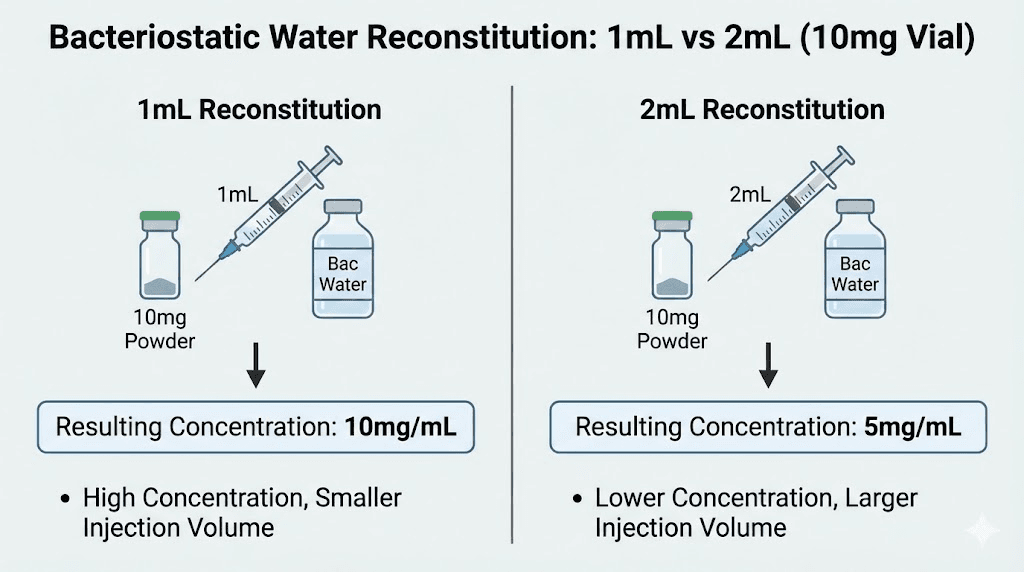
Easy Application : The unique delivery method involves mixing powder and liquid for fresh application, ensuring maximum potency