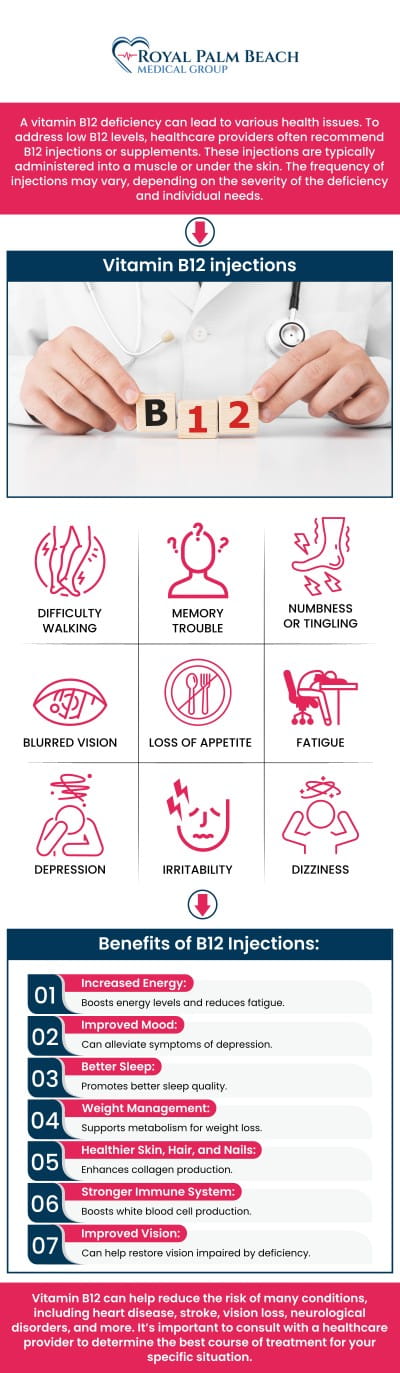
You should contact your GP if: Your B12 level is significantly elevated (markedly above your local laboratory's reference range) without obvious explanation such as supplementation You have persistent elevation on repeat testing You experience unexplained symptoms such as unintentional weight loss, persistent fatigue, night sweats, fever, or abdominal discomfort You notice unusual bruising, bleeding, or enlarged lymph nodes You have jaundice (yellowing of skin or eyes) or other signs of liver disease You have a history of liver disease, kidney disease, or blood disorders Immediate medical attention (contact NHS 111 or attend A&E) is warranted if you experience severe symptoms such as significant bleeding, severe abdominal pain, confusion, or signs of acute illness, though these would rarely be directly related to elevated B12 itself
Recall that Shc ultimately activates the MAPK pathway, while PLC has more metabolic effects including GLUT4 translocation
Therefore, a shot administered quickly and without the cream will typically not be felt
Metabolic Cofactor Research: Investigators leverage the lipo-c with added b12 compound to analyze enzymatic methylation reactions and mitochondrial oxidation performance in experimental models
Not a significant source of total sugars