Peptides can help a wide range of patients, including those with: Crohns disease or ulcerative colitis Irritable bowel syndrome (IBS) SIBO or SIFO Leaky gut syndrome Mold illness or chronic Lyme disease Autoimmune conditions with GI involvement Long COVID with persistent GI symptoms NSAID-induced ulcers or gut permeability Sample Gut Healing Protocol (Integrative Approach) Phase 1: Reduce Inflammation and Microbial Overgrowth KPV (oral or suppository) LL-37 (subQ or intranasal) Herbal antimicrobials (berberine, oregano, neem) Mold detox (binders, nasal sprays if needed) Phase 2: Repair and Regenerate the Gut Lining BPC-157 (oral + subQ) TB-500 (subQ) GHK-Cu (topical or injectable) Collagen + L-glutamine Functional nutrition (AIP or anti-inflammatory diet) Phase 3: Rebalance and Rebuild Probiotics and prebiotics Fiber support (acacia, partially hydrolyzed guar gum) Short-chain fatty acid support (butyrate) Lifestyle: sleep, stress reduction, mindfulness Conclusion Gut healing isnt just about reducing symptomsits about restoring harmony between your immune system, microbiome, and intestinal lining

Breast eczema can develop from several factors, including: Allergic reactions: Contact with allergens such as certain fabrics, detergents, or skincare products can trigger eczema flare-ups
Use a larger gauge syringe (18 to 22 gauge) with a standard luer-lock tip for drawing and injecting the bacteriostatic water during reconstitution
Request PDA (BPC-157-Arginine) Information Explore the Research Hub Browse all articles, deep dives, and helpful guides in our research library
It can manifest as: Memory loss Difficulty concentrating Mental confusion Picture yourself forgetting appointments, struggling to follow conversations, or feeling mentally sluggish


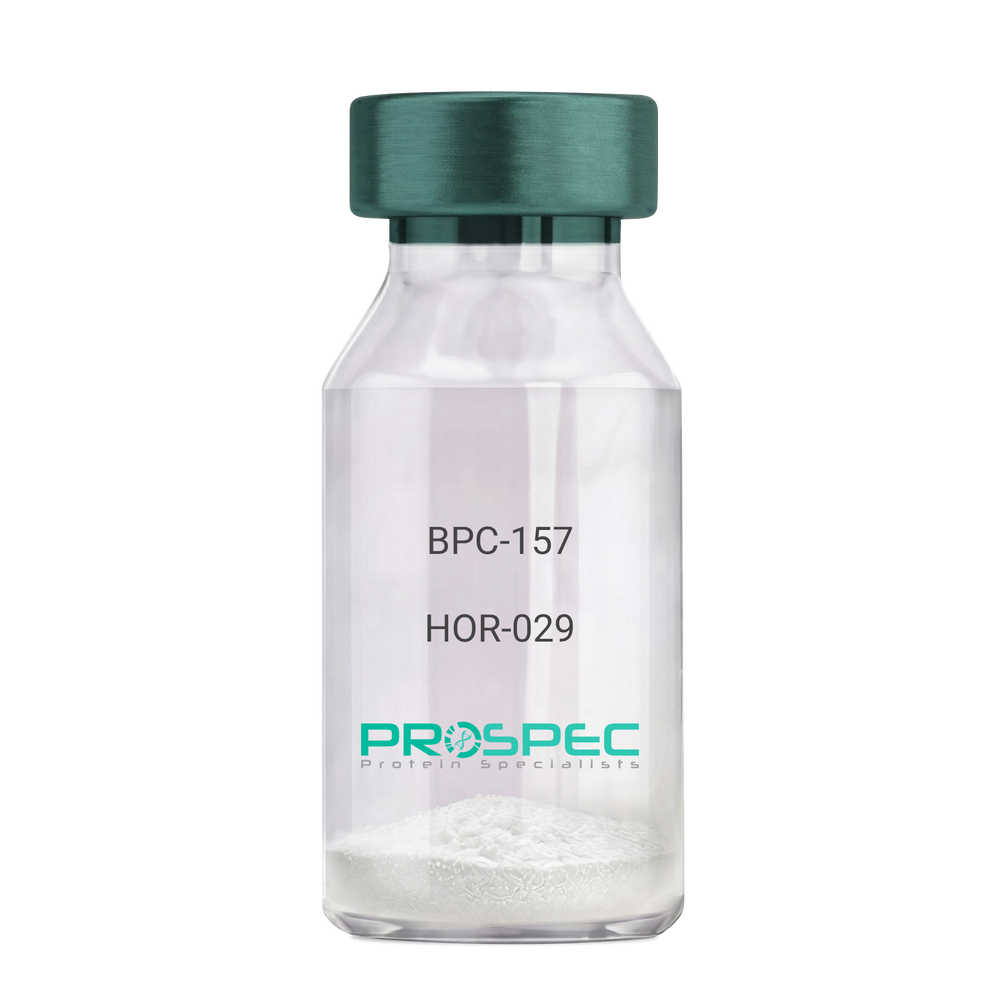

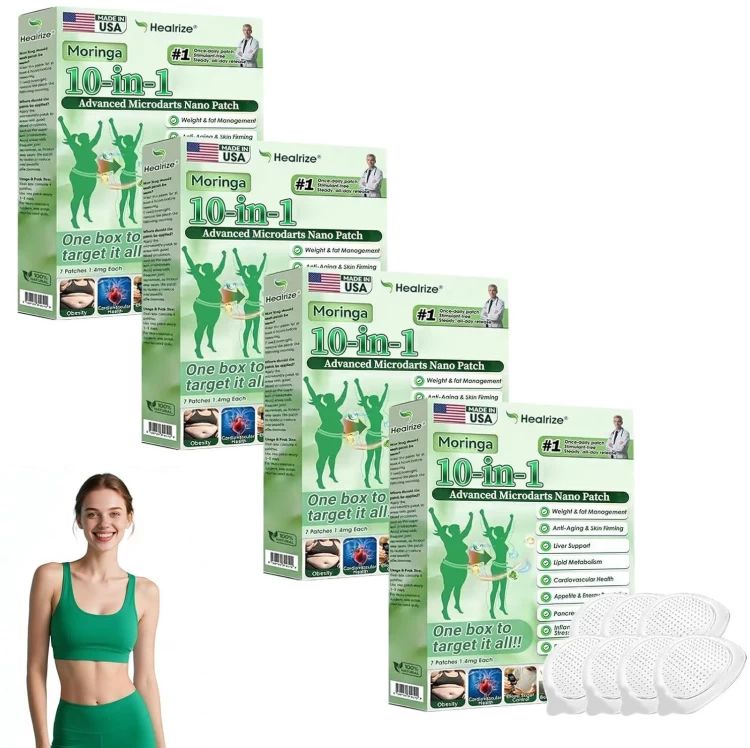

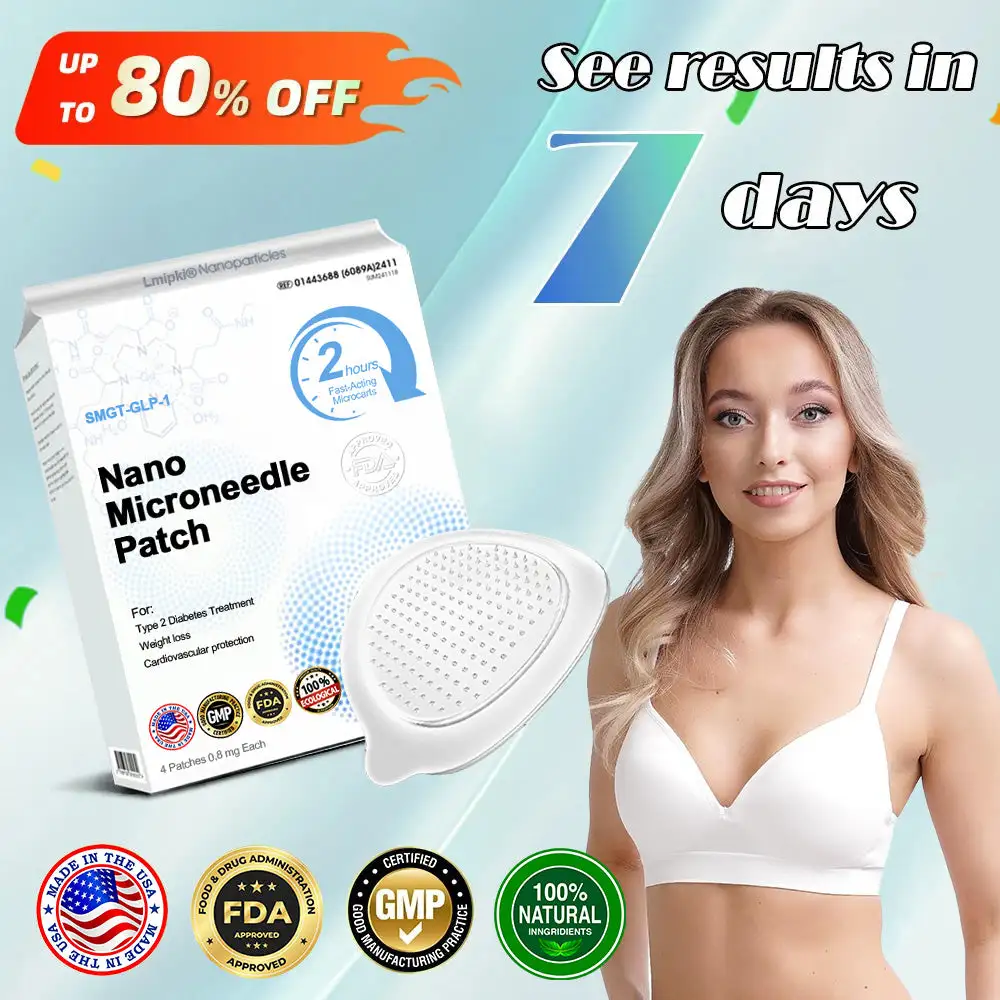
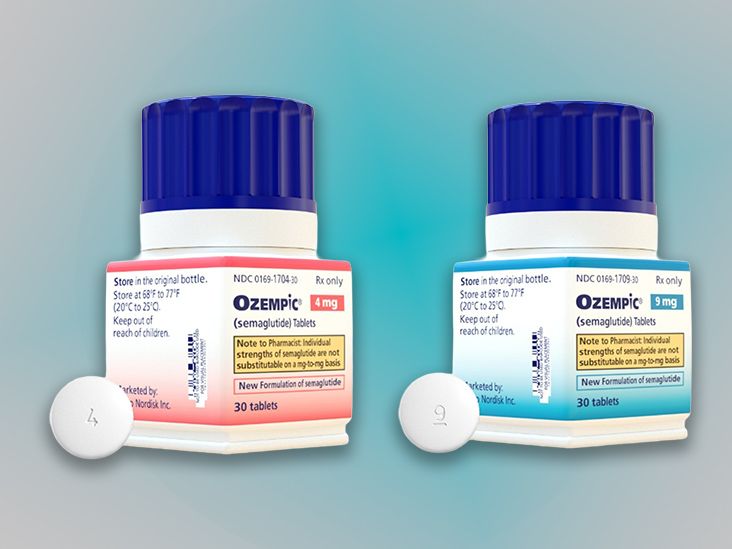
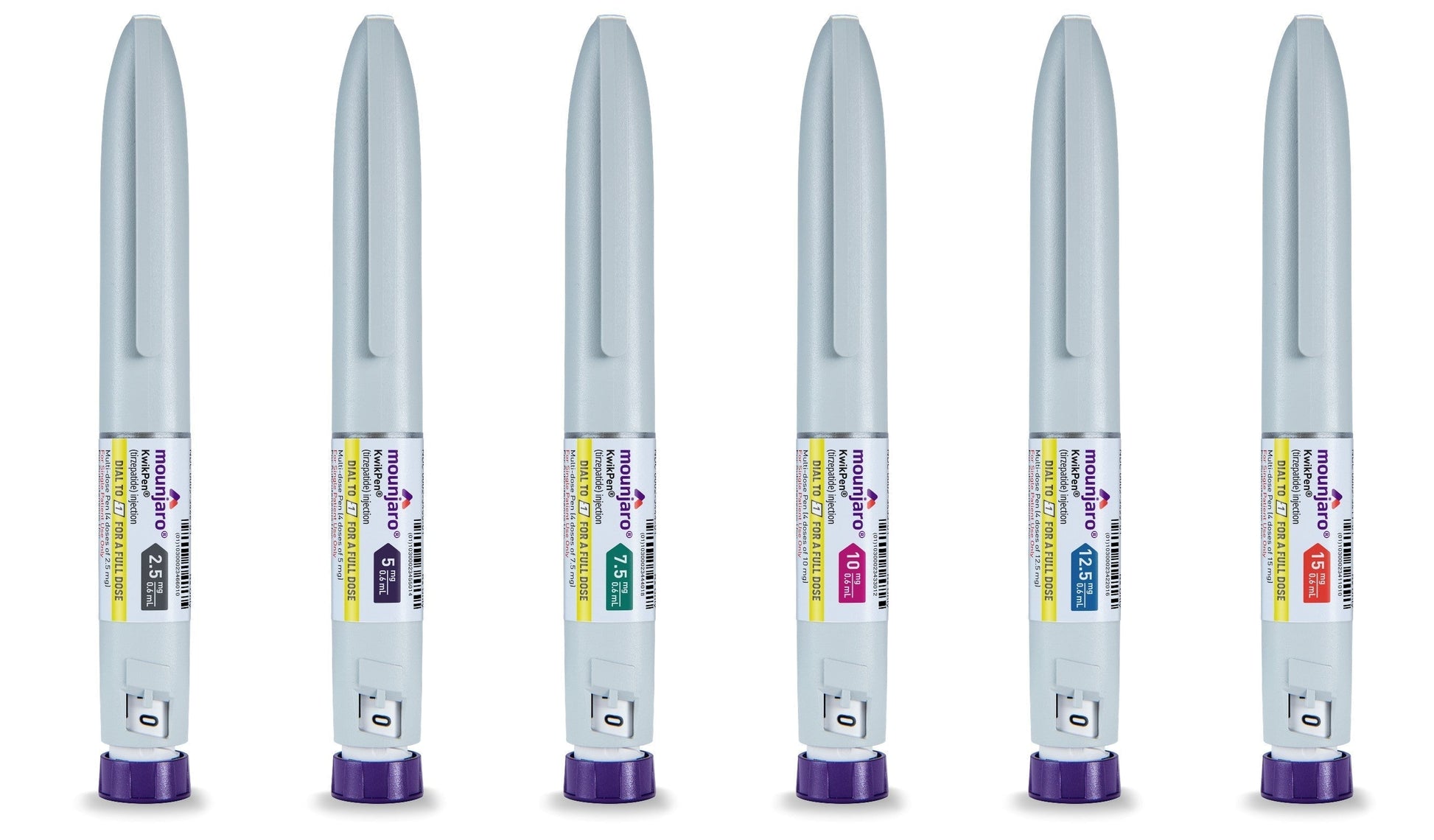
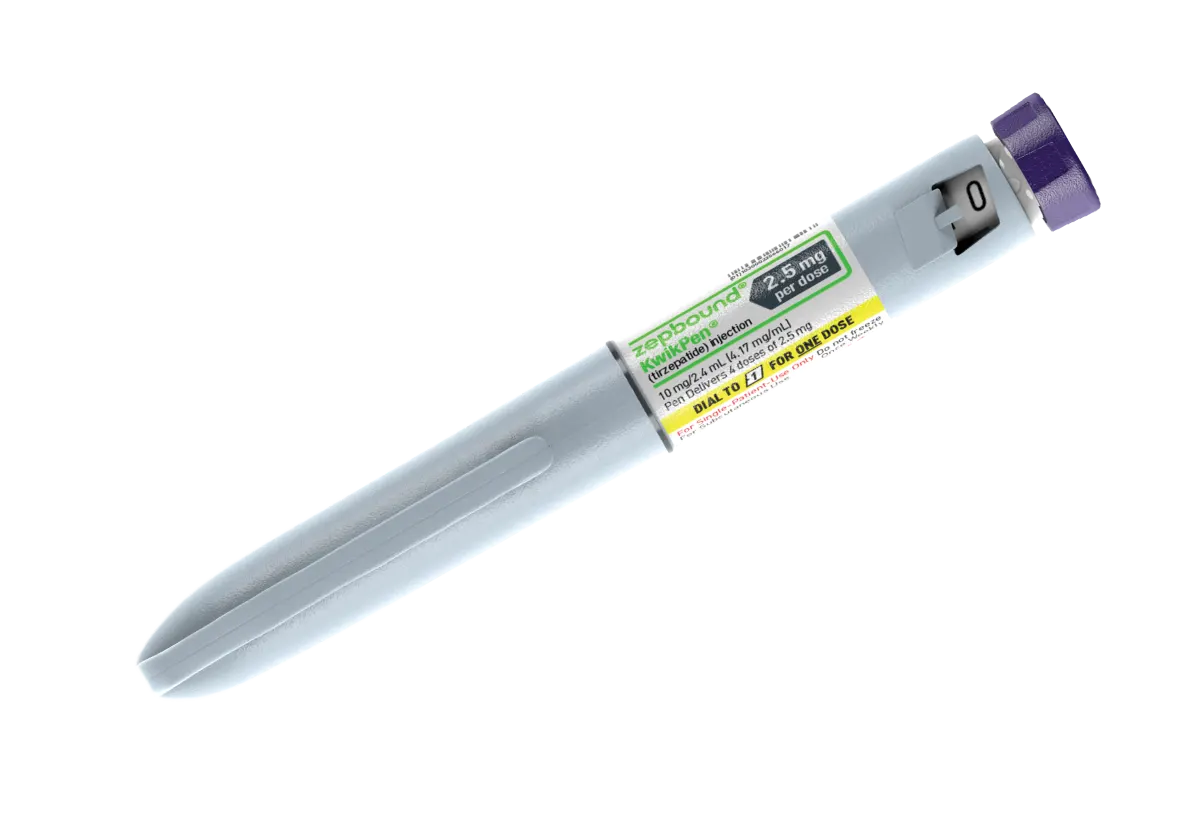
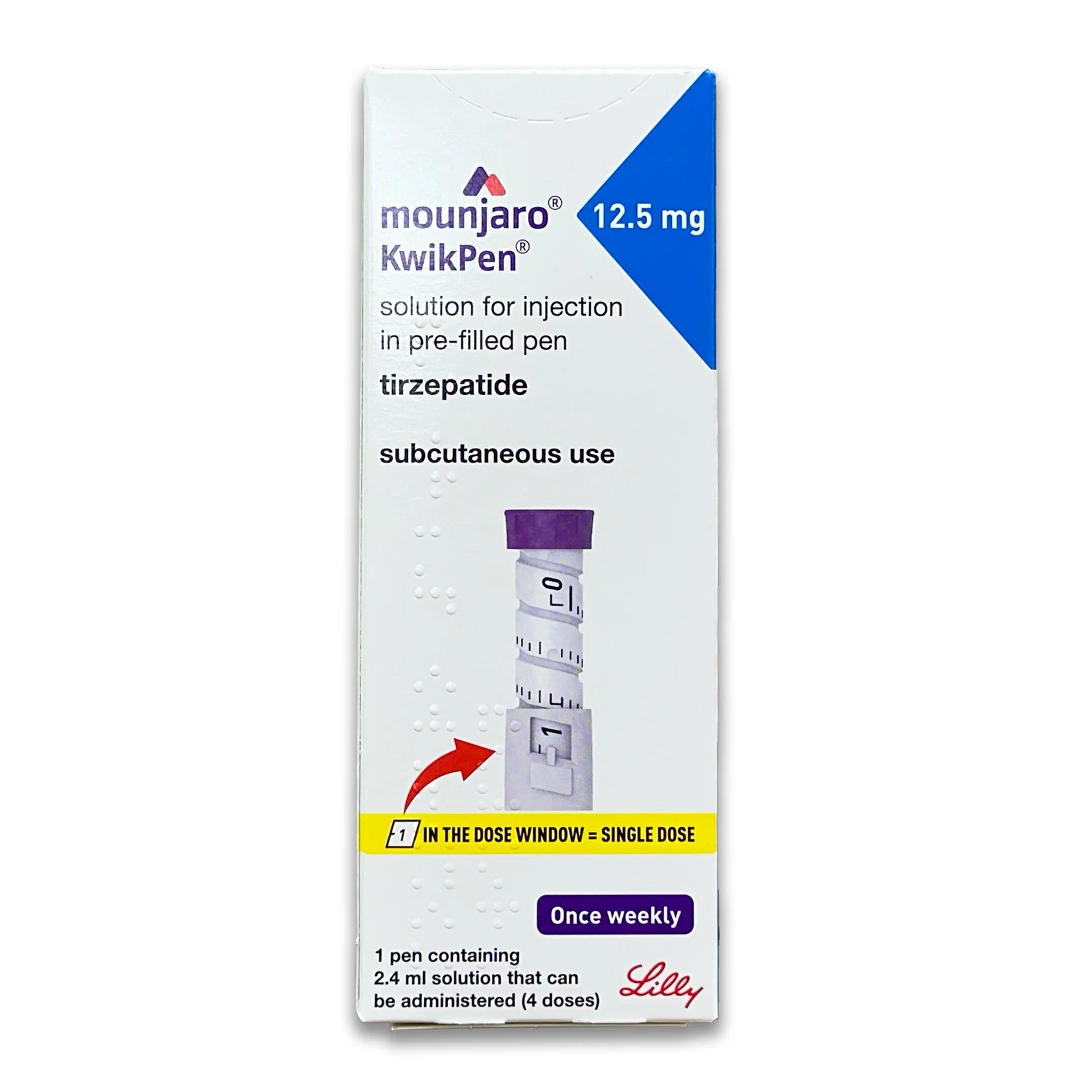
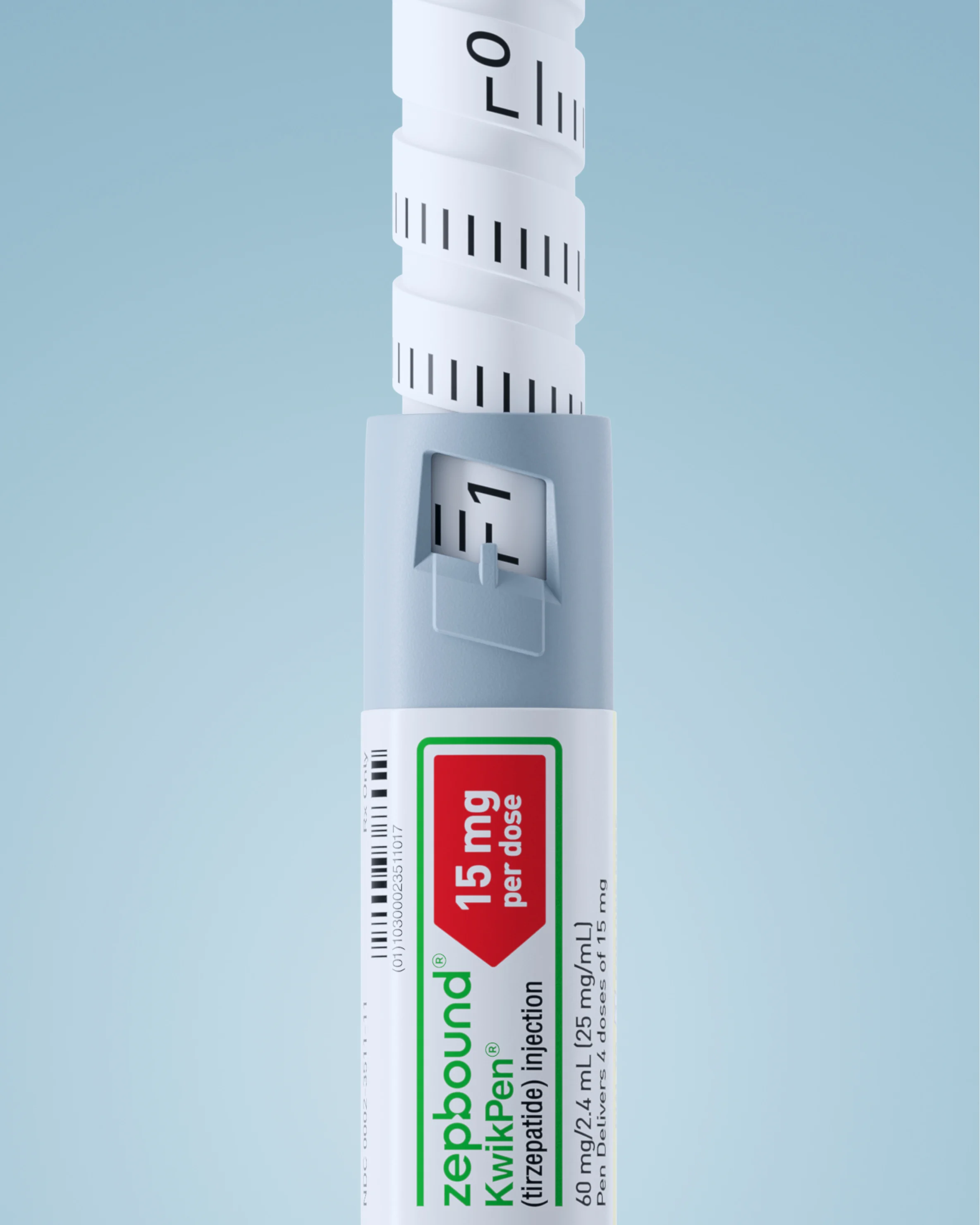
![Official Store🇺🇸] Lmipki® NIDDK-Tirzepatide Nano Microneedle Patch](https://cdn.shopify.com/s/files/1/0280/7578/6318/files/6_3fe07cdf-07cb-488b-b9d3-4009028da07d.png?v=1748003207)


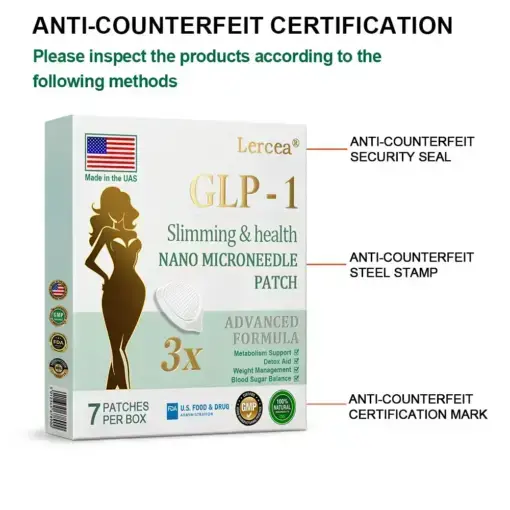
![Product Question] microneedle patches: gimmick or gold? : r/SkincareAddiction](https://i.redd.it/product-question-microneedle-patches-gimmick-or-gold-v0-likmhmrriupg1.jpg?width=3024&format=pjpg&auto=webp&s=883a3620371c46d6590b8d192cf58dae5ef10738)