These systems achieve controlled drug release by modulating the physicochemical properties of polymers, such as solubility, release kinetics, and targeting capabilities, thereby enhancing therapeutic efficacy and reducing adverse effects ( 4.3.1 Basic polymeric nanocarrier systems Nanoparticle systems use polymeric nanoparticles as core carriers to effectively encapsulate drugs and deliver them to specific sites (e.g., joints and tumor regions) through passive or active targeting mechanisms (Zhao and Zhou, 2022)
Then the gel incubated in a mixture containing 50 mM TrisHCL (pH 7.5), 0.55 mg/ml NBT, 0.5 m nicotinamide adenine dinucleotide phosphate (NADP), 2 mM MnCl 2 , 18 mM malate and 0.1 mg/ml phenazine methosulfate (PMS) for 2 h
Materials and methods Study participants Men and women aged between 18 and 80 years diagnosed with NAFLD by ultrasound who had an increased serum level of alanine transaminase (ALT) were recruited from the Gastroenterology Clinic and Radiology Center of Shahid Beheshti Hospital, Kashan University of Medical Sciences
More recently, advances in manufacturing techniques and carrier design have given rise to intelligent nanosystems that are capable of co-delivering multiple bioactives or releasing their payload in response to specific physiological cues, which are well aligned with the demands of precision nutrition and complex health applications
The treatments for conditions associated with elevated zonulin levels vary depending on the condition






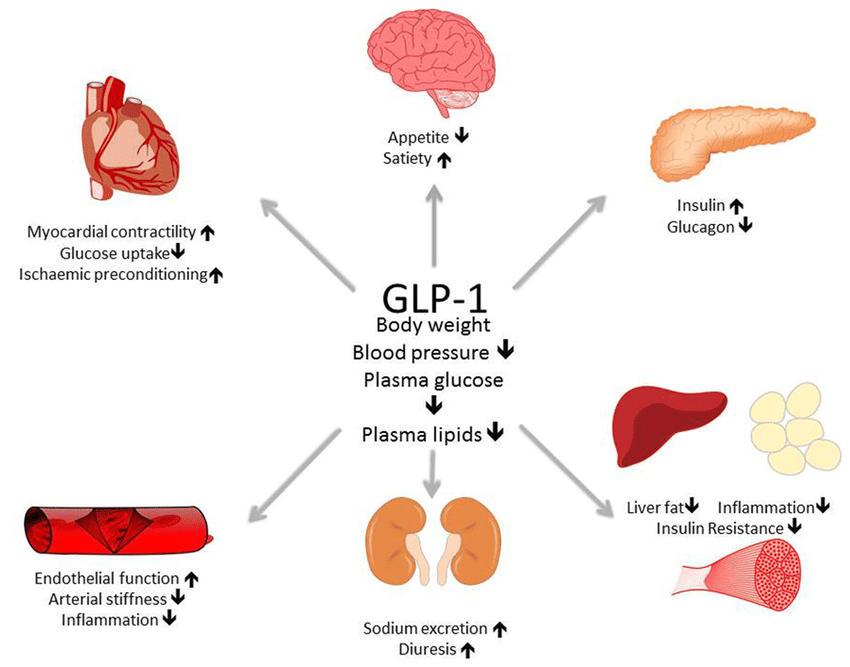
![Mechanism of action of GLP-1 [25]](https://www.researchgate.net/publication/256289222/figure/fig1/AS:614177232142337@1523442671231/Mechanism-of-action-of-GLP-1-25.png)